Kurzantwort
Bleib in den ersten 60 Minuten nahe am Lifepod. Baue frühe Tools, scanne vor dem Looten, sammle Copper für Batterien und Scanner, finde Silver für O2-Upgrades und baue keine große Base, bevor eine Route wirklich nützlich ist.
Open the Resource Checklist before your next route
Tick off early materials, base pieces, vehicle prep, crafting blockers, and the P2-P10 video route series. It saves only in your browser, so it stays fast and does not require an account.
Open checklistGameplay stills for the route
These stills are not exact coordinates. They are timestamped visual checks from the linked Bilibili run, so you can compare landmarks, depth pressure, and what the player is doing before you copy the habit in your own save.
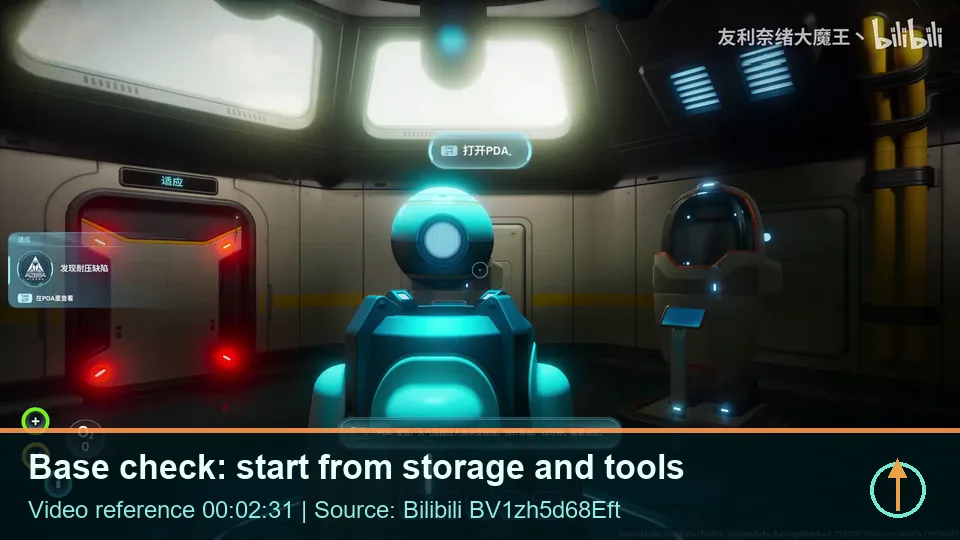
Base check before the next swim
Use the first base stop to empty storage, check tools, and decide one goal for the next dive. Leaving with a messy bag is how short routes turn into panic routes.
Source: Bilibili video 00:02:31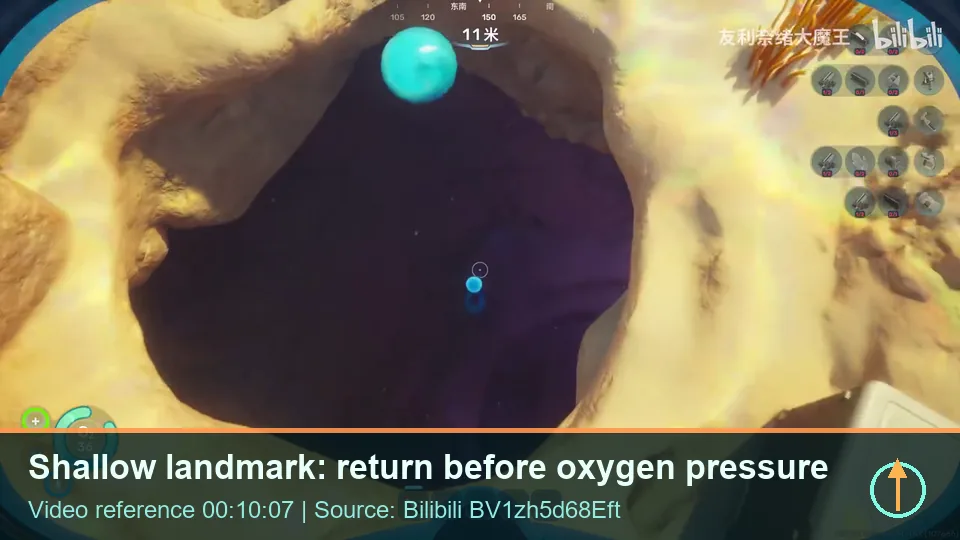
Shallow landmark, not a blind tunnel
Before entering a cave, look for the return shape and your oxygen margin. The useful clue here is the opening itself: if you cannot describe the exit, do not fill the inventory yet.
Source: Bilibili video 00:10:07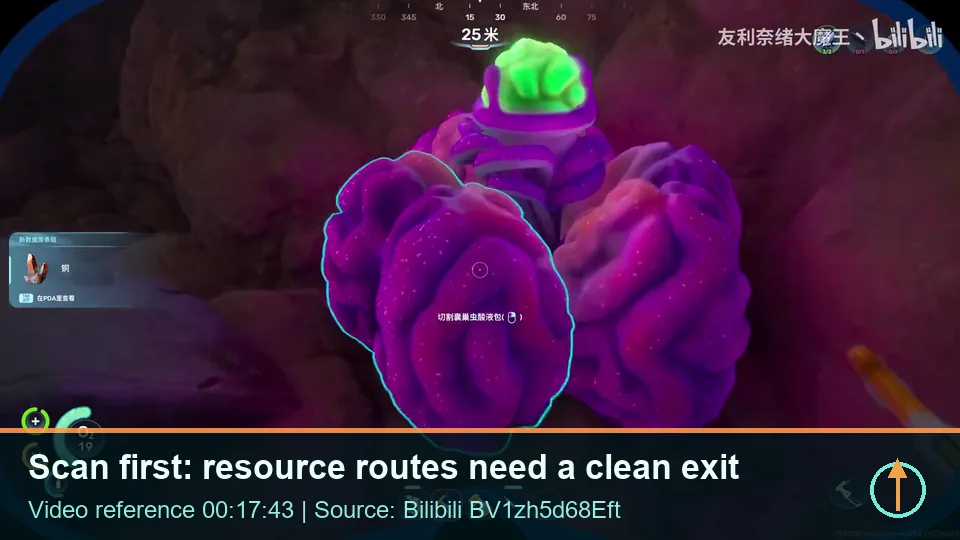
Scan the resource, then leave cleanly
This kind of purple resource room is where beginners overstay. Scan or grab the target, check the tool prompt, then leave while the exit is still obvious.
Source: Bilibili video 00:17:43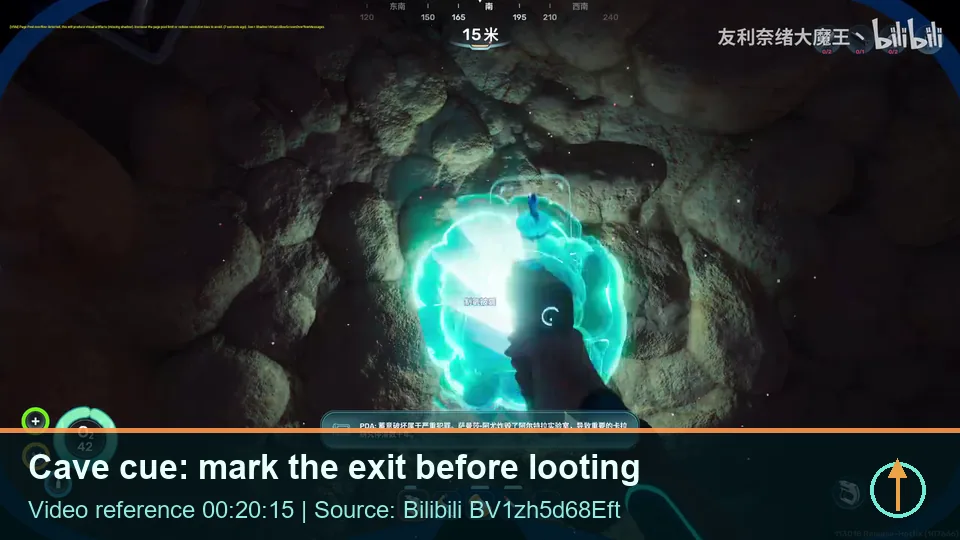
Mark the exit before looting
The screenshot is useful because it shows the problem: tool out, cave walls close, oxygen ticking. Do the scan, take the item, and leave before exploring side branches.
Source: Bilibili video 00:20:15Bildnotizen und Quellen
Originale Routengrafik
Abyss Guides nutzt eigene Chibi-Tiefsee-Grafiken statt Wiki-Screenshots oder Fan-Uploads zu kopieren.
Quelle: Originalgrafik von Abyss Guides
Offizieller Subnautica 2 Gameplay-Trailer
Das Video hilft bei Stimmung, Fahrzeugen und Biomen. Es ist keine Karte mit genauen Farm-Koordinaten.
Quelle: Offizielles Subnautica-YouTube-EmbedRoute der ersten Stunde
0-10 Minuten: stabilisieren
Lerne die sichere Zone am Lifepod, sammle Basics und kehre zurück, bevor O2 zur Panik wird.
10-25 Minuten: Tool-Loop
Copper führt zu Batterien und Scanner. Ohne Scanner werden gute Fragmente zur zweiten Reise.
25-45 Minuten: O2-Puffer
Air Bladders und Umwelt-O2 helfen, dann kommt Standard Air Tank. Silver ist oft der Engpass.
45-60 Minuten: Route wählen
Eine kurze Route für Copper, Silver, Scans oder Base-Materialien schlägt riskantes Herumschwimmen.
Flow der ersten Stunde
Start
Nah bleiben
Erst Orientierung, dann Tiefe.
Mitte
Scan + O2
Blueprints und Sauerstoff schaffen Tempo.
Ende
Loop
Eine wiederholbare Route ist Gold wert.
Frühe Prioritäten
| Priorität | Warum wichtig |
|---|---|
| Sauerstoff | Mehr O2 macht Höhlen planbar. |
| Scanner | Blueprints schlagen zufälligen Loot. |
| Copper | Batterien und frühe Elektronik starten hier. |
| Silver | Das erste große O2-Upgrade braucht es oft. |
| Storage | Ordnung spart Rückwege. |
Basics nicht überspringen
Wenn du den Rückweg nicht kennst, kaum O2 hast und nahe Fragmente nicht gescannt sind, ist weiter schwimmen meist kein Fortschritt.
FAQ
Was zuerst in Subnautica 2 tun?
Beim Lifepod bleiben, Basics sammeln, Tools bauen, scannen und eine kurze Route einrichten.
Wann die erste Base bauen?
Wenn du eine Route gefunden hast, die du wiederholen wirst. Klein und nützlich ist besser als groß und zufällig.
Ist co-op gut für Anfänger?
Ja, mit Storage-Regeln und Routennamen. Ohne das verteilen sich wichtige Materialien schnell.